Summer cooking, but make it lazy

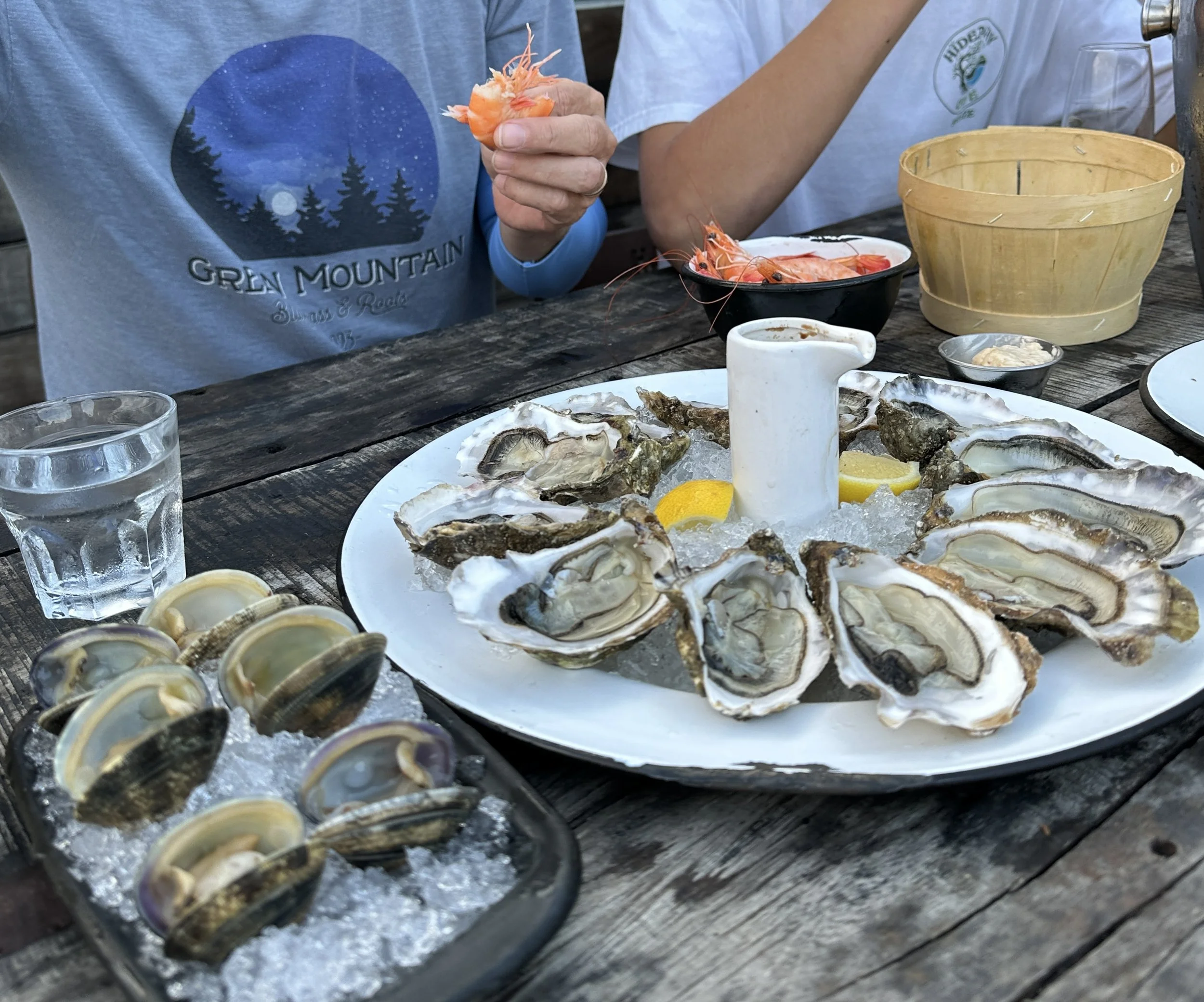
Sometimes, upon returning from vacation, I feel renewed and inspired by dishes sampled abroad. I’m comforted by a reunion with the worn wood of my cutting boards and the feeling of a familiar knife. Recently, we returned from a blissful trip to northern Norway, filled to the brim with midnight sun and the simplest seafood imaginable—fjord shrimps and oysters, marinated herring, nutty bread and brown cheese. I’m sorry to say that none of this transferred to my kitchen. It didn’t help that the skies in New York turned yellow overhead for a few days, before breaking open and sending heavy branches into the back of our car (which is now broken open, too). Also: is it OK to eat salad in the U.S. this summer? My personal conclusion is yes, I will risk it with well-washed greens from the farmer’s market, or otherwise grown nearby.

Our children returned from their summer travels as well, one girl with a tattoo and one, the teen boy, six inches taller with a backpack full of muddy clothes and gear. Eventually, a full house and a trip to the farmers market shocked me back into cooking, but a low-lift summer version that I’m totally OK with. Here are some highlights.

  • Pantry cooking: We always have anchovies, pasta, and probably parsley growing in our planters. Behold pasta with anchovies and parsley!

  • Garbage salads: A perennial favorite in our house; these consist of greens, some kind of leftover grain, chopped vegetables and herbs, sliced chicken or steak (leftover grilled and a little bit charred is best), maybe a cheese or nut, and a good vinaigrette to toss the whole thing together with. Voilà! Garbage salad.

  • Boards can be dinners, too: a World Cup gathering reminded me of this fact. My friend Madeley brought one of her glorious snacking boards, replete with all four food groups and lots of tasty surprises, and after Spain had cleaned up and taken the party to the streets, we found we didn’t need supper.

  • Dips can be dinners, too. This ricotta dip, in particular, does the trick if served with piles of chopped vegetables and torn baguette or, better yet, slices of living bread from ACQ. In winter, a hot artichoke or crab dip would serve the same purpose.

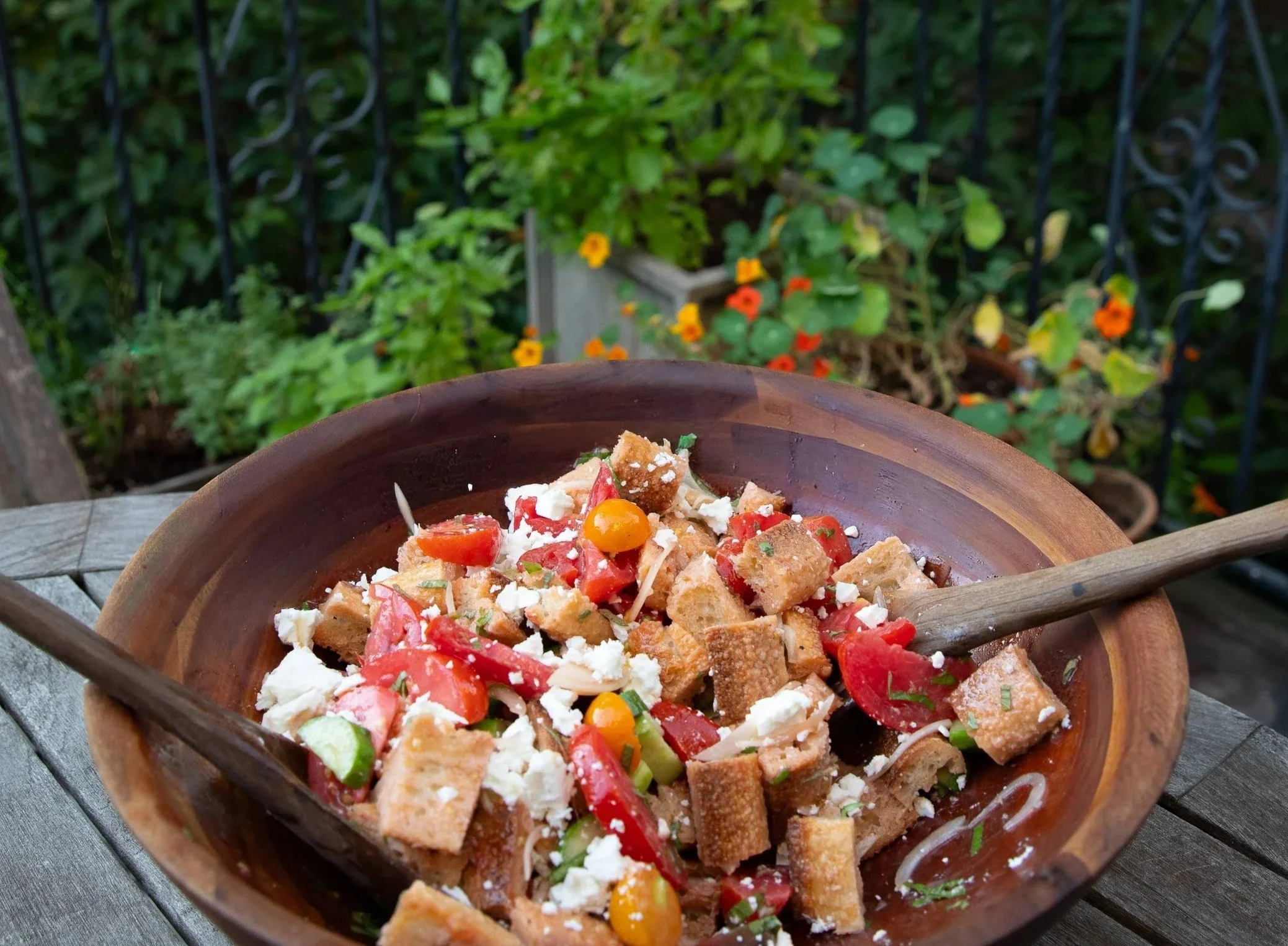
  • Stale bread magic: panzanella is nothing new, but sometimes I have to be reminded of its genius. Sometimes all it takes is leftover baguette and a surplus of tomatoes to do that…or the inspo of Tara’s pan con tomate. Below is a Greek-ish panzanella, which you can make with or without peppers (hi Cece!), add olives or anything else you like; riff on it as you like. Note this one has nary a lettuce in sight ;)

Greekish Panzanella

Serves 4

Ingredients:

  • 2 1/2 cups stale baguette or country-style bread, crusts removed, cut into 1-inch cubes

  • 3 medium tomatoes or the equivalent–cut into wedges then halve the wedges

  • 1/3 cup diced, peeled cucumber

  • Optional: chopped bell peppers and/or kalamata olives

  • 1 small onion or shallot, sliced thin

  • 1/4 cup crumbled feta

  • a few leaves of basil, torn

  • a few mint leaves, minced

    For the vinaigrette: 

  • 1 teaspoon dijon mustard

  • 2 tablespoons red wine vinegar 

  • 1/4 cup extra virgin olive oil 

  • pinch salt

  • freshly ground pepper

Instructions:

In a medium bowl, put the bread cubes, vegetables, a sprinkle of salt, and herbs. Whisk together vinaigrette ingredients then drizzle over the salad ingredients, tossing together to combine. For best results, let this sit for at least an hour while you pull together dinner, then add the feta and toss one last time, adjusting seasoning as needed before serving. If it seems too dry, you can sprinkle a little more vinegar and olive oil over the whole thing.

Below are some photos from our recent trip to Norway’s Lofoten Islands, plus a couple from Stockholm:

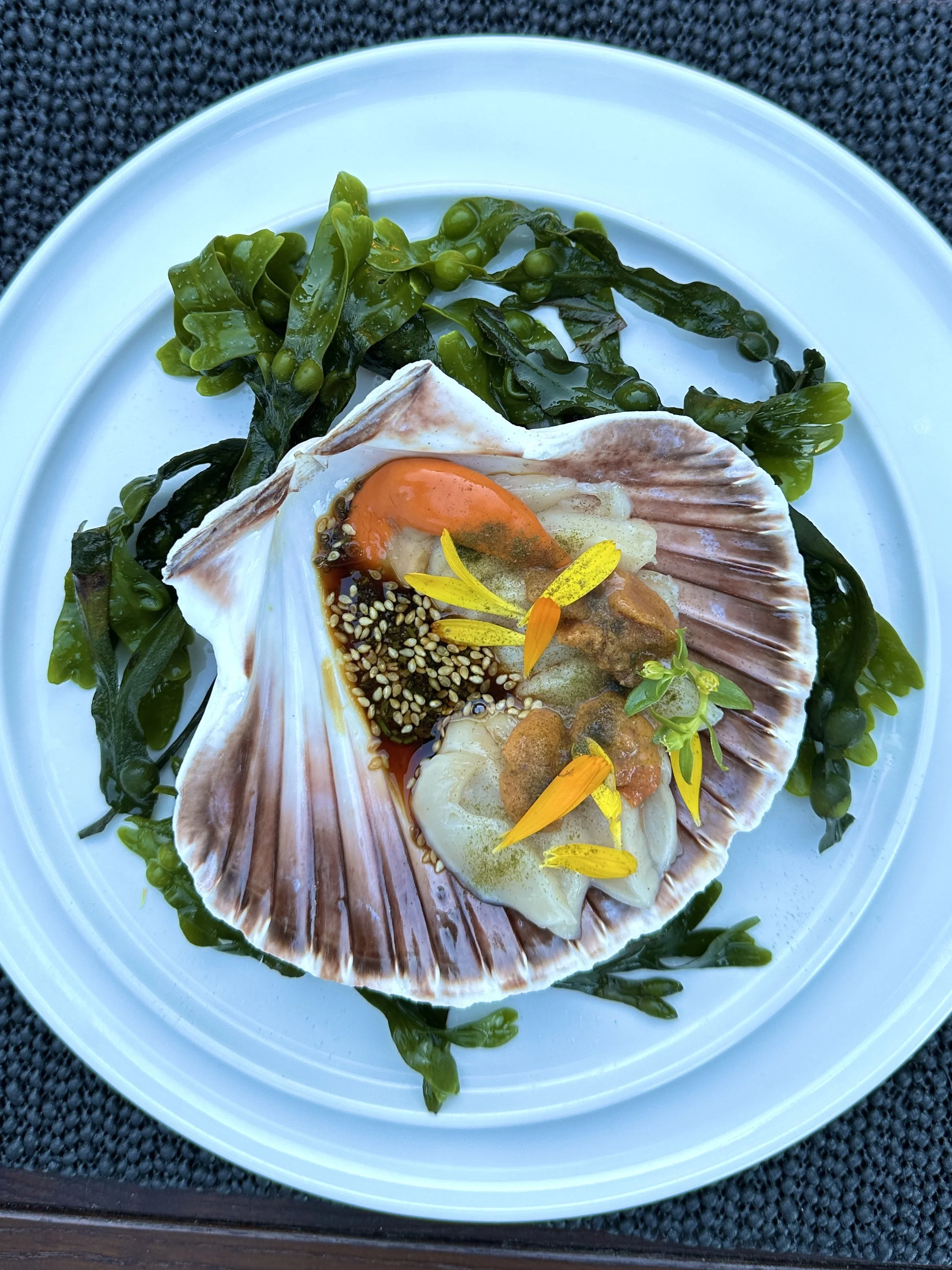
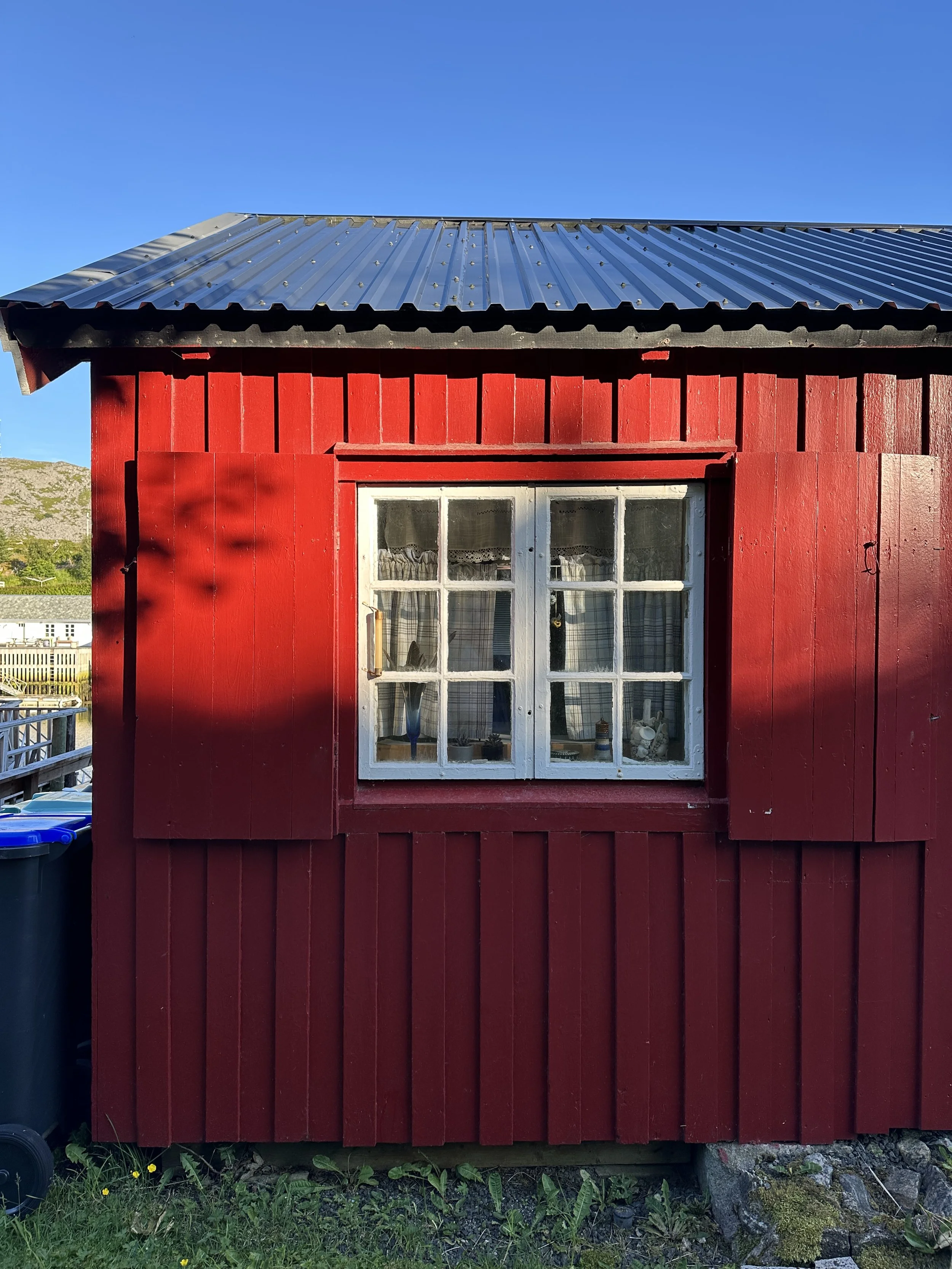
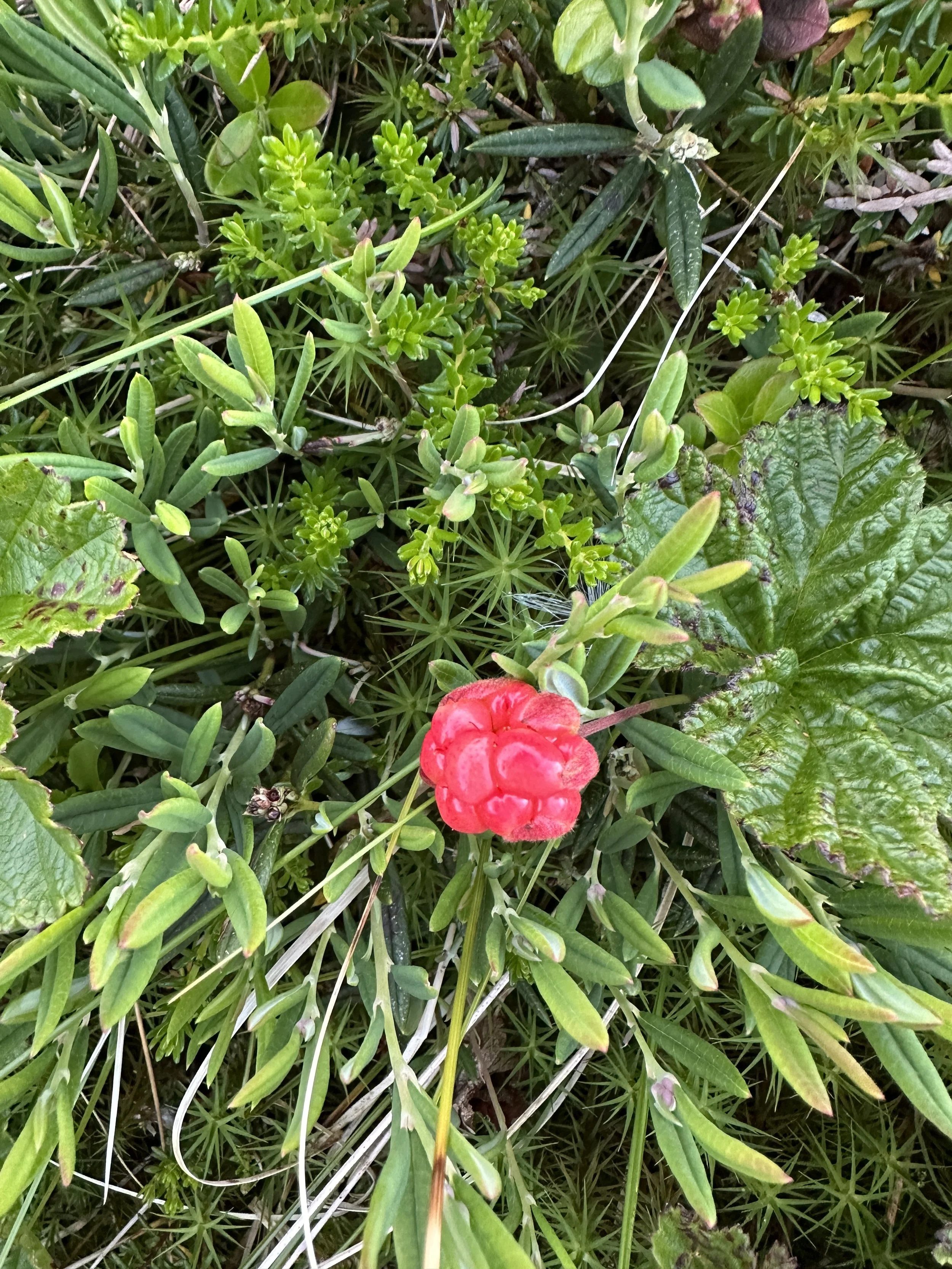
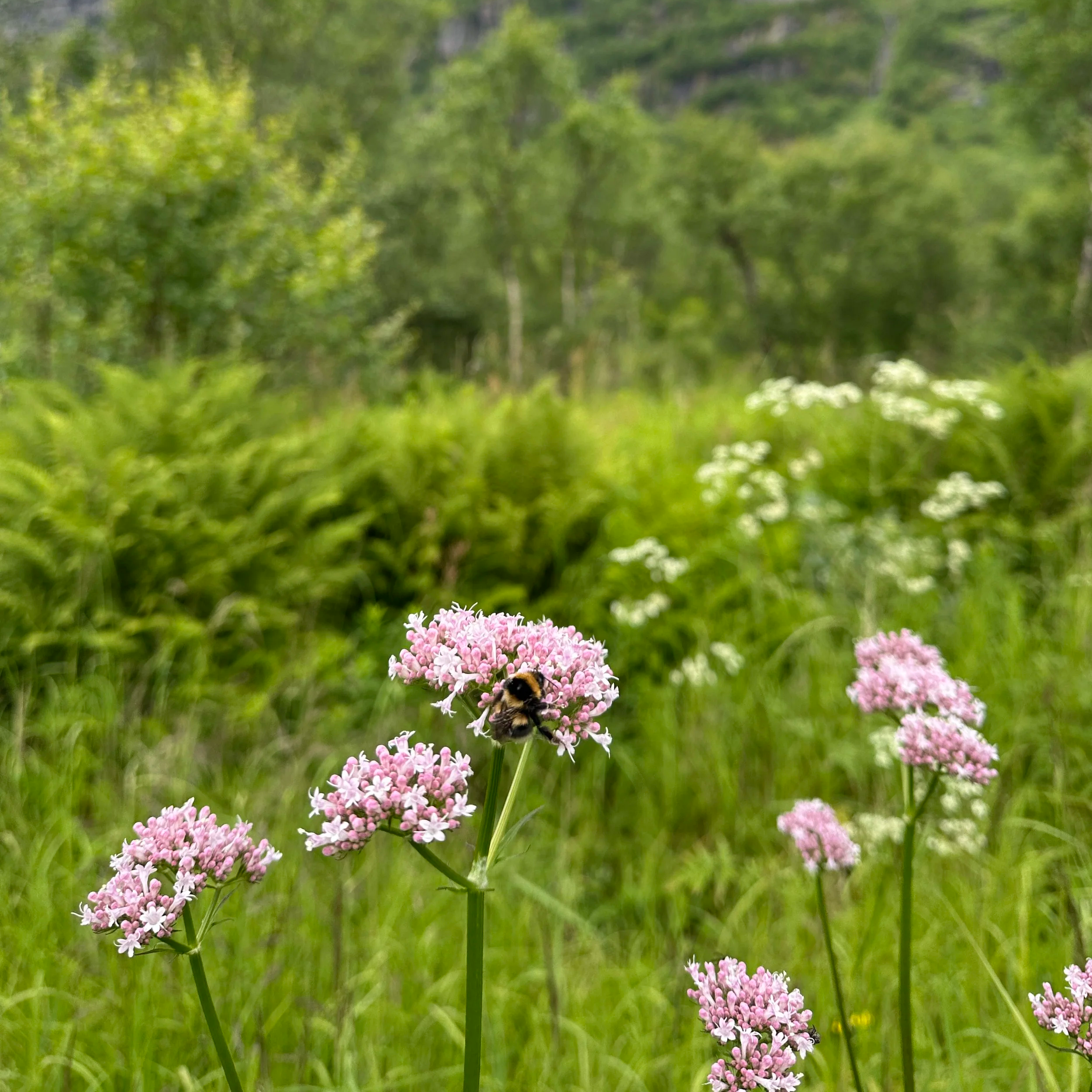
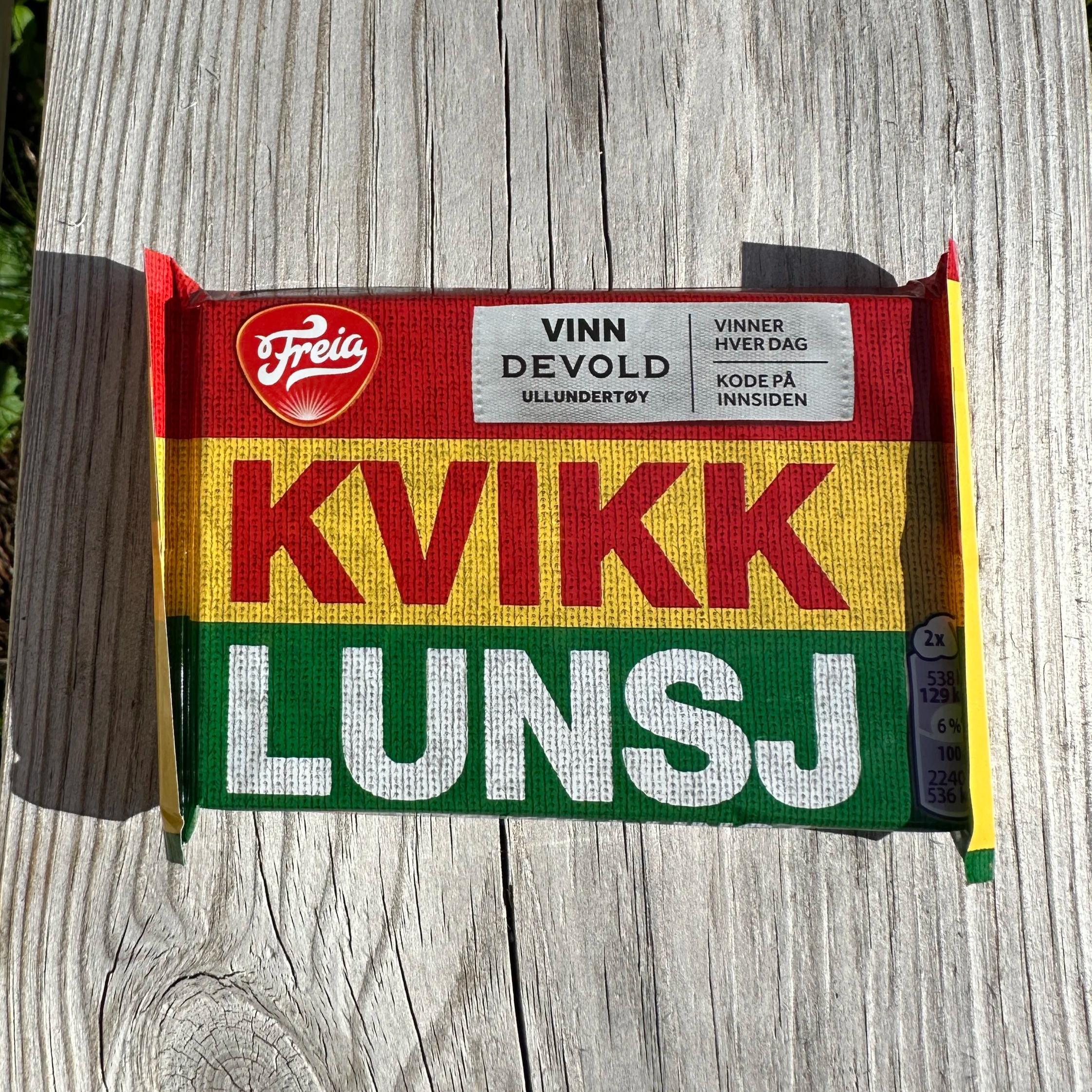
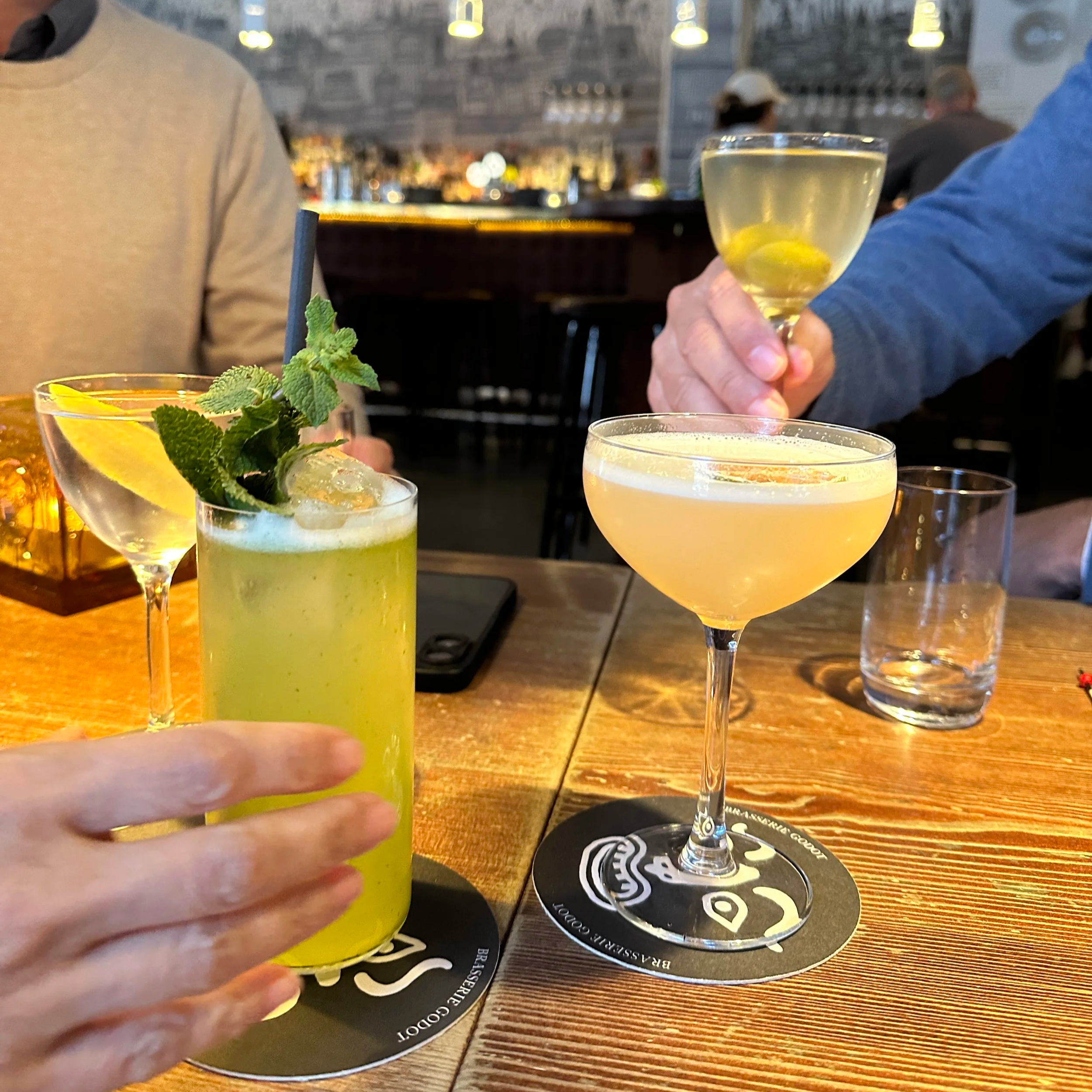
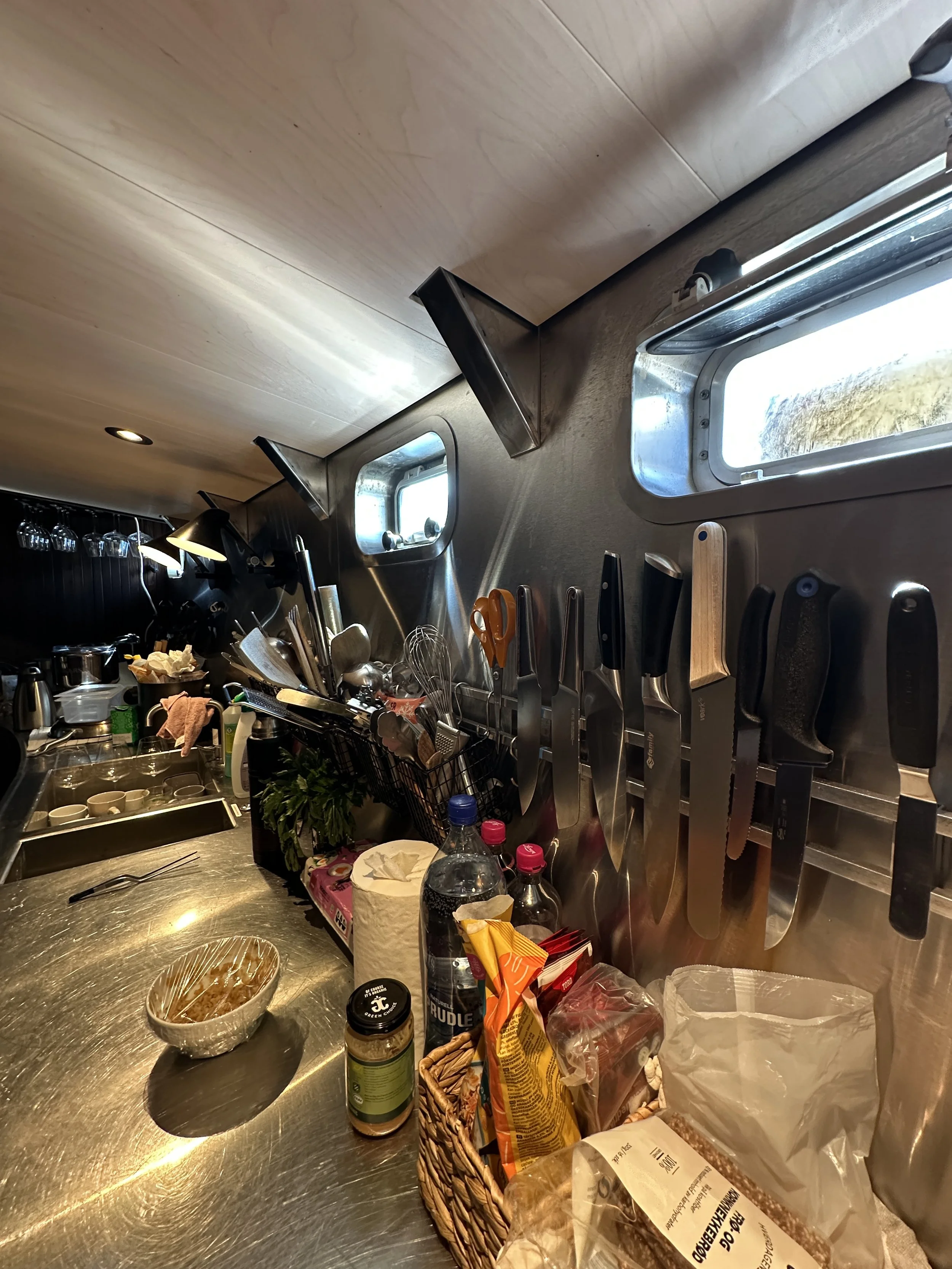
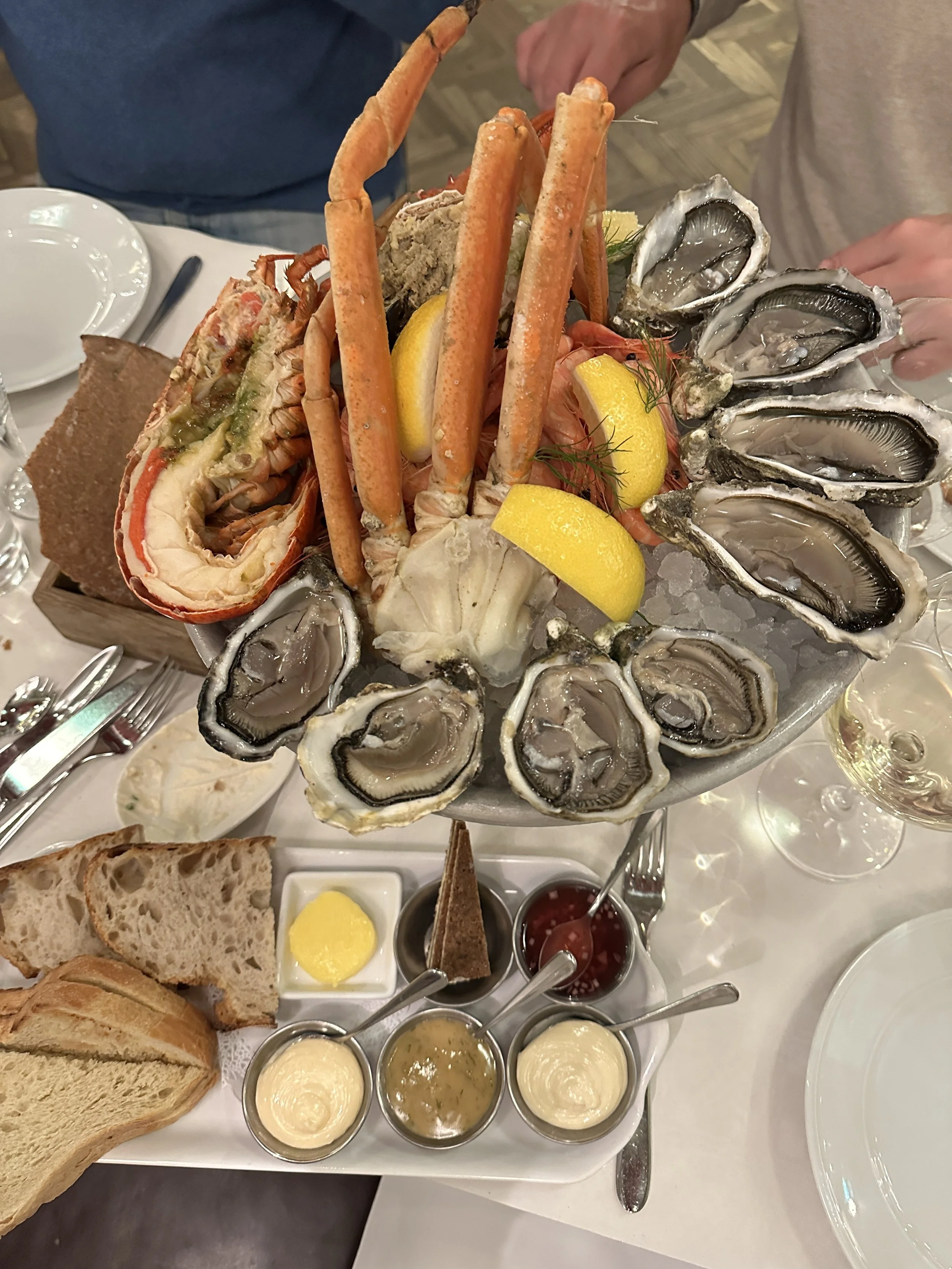
  1. Scallop crudo with uni on the Varg, by our excellent chef Kevin 2. 1 AM sun while hiking 3. Fisherman’s cottage in Skrova 4. Cloudberry 5. View from midnight hike on Skrova 6. The plushest moss 7. Wake-up view from the sailboat 8. Drowsy bee 9. Hikers’ treat 10. Wildlife 11. Lofoten views 12. Cocktails at Godot in Stockholm 13. The galley of the Varg, where magic happens 14. A very good boy portside in Svolvaer 15. Seafood dreams at Sturehof, in Stockholm 16. View from above Trollfjord

Minke whale surfacing quite close to us, as we were dinghying back to the sailboat.

Provisioning

Earlier this month, a sailboat in the Caribbean was home for eight nights…and I think my vestibular system has finally regulated again. It’s a trip we had made before—this was actually our fourth bareboat (self-captained) charter through the Virgin Islands. Each go-round is a new adventure, never like the last one, with a different lineup of overnight moorings and some kind of unexpected hitch; one year our water system went kaput with four teenagers on board, and this time around hurricane Beryl nearly descended on us but stayed south, resulting in some choppy seas. Though a day of seasickness is not ideal, the challenges somehow heighten the fun that follows and render the memories all the more indelible (a friend calls this “type two fun”). When sailing with a group we usually rent a catamaran, which makes for a very comfortable journey overall. The joys of long swims in warm, clear water are deep and visceral, as are the immersive hours snorkeling or just staring off at the horizon.

Our mooring, night 1, off of Norman Island, BVI. We were the only boat in the bay

As much as I could go on about the pleasures of seawater and sunrises, I am a food-driven person, and what occupies me most of all on these trips is the question of what are we going to eat? And so provisioning—a combination of ordering ahead, smuggling goodies in luggage, and sourcing some specialty items at the departure point—is a big part of the preparation. Luckily, we were sailing with good friends who are also food fanatics, so we made a team effort out of provisioning and ate very well as a result.

The bulk of our groceries came via the charter company and were very basic, supermarket-type items. Boat fridges are small, offering limited space for perishables. It’s best to start the journey with a boat full of staples, loading up as though there will be no more chance to do so—since the markets in harbors are usually bare bones, and some of the islands we moored near had no shops or even inhabitants, at all. Small marina markets almost always sell ice, and in some harbors there are purveyors of ice who dinghy from boat to boat with bags of ice; we always follow a rule that if there is ice to be had you go for it, since you never know when the next opportunity will arise.

All six of us onboard (three couples) brought some favorite items in our luggage, things we weren’t sure we could find in the islands: my homemade granola, dried farro, chorizos, parm wedges, Norwegian crackers, and lots and lots of good tinned fish for lunch spreads. None of this ever presents a problem in customs as long as it’s packed in suitcases, and there is always something gleeful about unearthing and compiling these stowaways once on board.

There is also an excellent French market near the marina where we departed, in Tortola, where we were spoiled with top quality items: cheeses, olives, charcuterie, and a seedy triangular loaf of bread. One of our crew found a giant tin—an oil drum, really—of duck confit legs and another of seasoned lentils, and so our most memorable on-board meal consisted of this duck, crisped to perfection on a bed of lentils. As wintry as the meal may sound, it tasted like heaven alongside fresh local produce (see below).

For BVI sails out of Tortola, a local farm—Good Moon Farm—specializes in curating small, medium, or large farm boxes of fruits, vegetables, and herbs for sailors. We always order one, so it’s waiting on the boat when we board, and the unboxing has become one of the highlights of our sails. Some of the items are very familiar, such as arugula, basil, and okra. Others required a little sleuthing and googling to figure out, like some small, pink fruits we were told by a Tortolan at the marina were called cashew pears. “They just taste like water,” she said. She was not wrong. Others, like soursops, were loaded with beguiling flavor—we became huge fans and incorporated the sweet-tart juice into cocktails one evening.

Some of the vegetables were surprising delights. A bundle of astonishingly long, whiplike green beans tasted excellent tossed in olive oil and salt, then grilled on our toolbox-sized grill, alongside some sausages from the French market. Some vibrant greens, which we learned were callaloo and malabar spinach, were delicious sautéed with garlic and served along with roasted, green-skinned pumpkin with our duck confit. We ate our way through fresh green herbs, tiny fiery peppers, mangoes, and passionfruits.

Since first visiting the Virgin Islands over 20 years ago, my impressions of food offerings there has wholly changed. True, many necessities aren’t produced in these small islands so have to be imported from far away, but if you know where to look and get beyond the tourist restaurants and supermarkets, there are excellent local farms, produce stands, and island style restaurants cooking with heart. I tasted the sweetest mangoes of my life from a stand on Virgin Gorda, where we also bought curried rotis and homemade soursop juice for a lunch picnic in Spring Bay. I have listed some of our favorite restaurants and shops (beyond the obvious stops) below under Resources.

I’m now onto another stage of provisioning, which is back to the familiarity of home and filling up my spacious land refrigerator with fresh produce. I don’t need to tell you that the farmers’ markets are full to bursting right now with summer produce, and I’m luxuriating in the bounty. Tomato season is underway! Check out my favorites in the Recipes section of this site, which I’m always updating.

Virgin Island Resources:

  • The Moorings is a full-service charter company offering both bareboat and crewed experiences. We have chartered boats out of Tortola (BVI) and St. Thomas (USVI) but Moorings has branches all over the world.

  • The French Deli, Tortola. Situated very close to the BVI departure marina, this beautiful market sells a large stock of European foods, wines, etc. (It’s definitely pricy!)

  • Good Moon Farm. Fresh produce boxes can be arranged through Moorings provisioning or directly with the farm.

  • Gene’s Bar & Grill, Tortola. We stopped here for lunch upon disembarking. The curried conch was delicious and we enjoyed chatting with owners Gene (chef) and her husband, Robin.

  • Alice’s restaurant, White Bay, Jost Van Dyke. Small menu and lovely owners. The roasted lobster was as tasty as the one we ate on Anegada, and salads were delicious (pizza was just OK, but we are New Yorkers!).

  • The Lobster Trap, Anegada. Following our longest and roughest sail, we had a lovely dinner at this spot right on the beach.

  • Cow Wreck Beach Bar, Anegada. Very old school, self-serve bar on the beach. Enjoy a Carib or painkiller with sand under your feet. Food at night. Gorgeous beach for swimming. We rented mini Mokes from a shop near the harbor and drove to Cow Wreck, stopping first to see the flamingos.

  • Josephine’s Greens (Coral Bay Organic Gardens), St. John USVI. A small selection of beautiful greens, herbs, and vegetables.

  • Miss Lucy’s, St. John USVI. Delicious local food in a lovely spot by the sea. Conch fritters, kallaloo and crab soup, fried plantains.

Finally: an easy, favorite recipe from our trip.

Watermelon, Seared Halloumi & Mint Salad

Ingredients:

  • 1 wedge of ripe watermelon, cubed

  • 8 oz. package halloumi, sliced into small cubes, patted dry

  • Extra virgin olive oil

  • 1 handful torn mint leaves

  • Flaky sea salt & freshly ground pepper

  • 2 limes, cut into wedges

Instructions:

  1. In a large skillet, heat olive oil and sear halloumi cubes, turning them occasionally, until they are golden brown on all or most sides. Watch out: it will seem like they aren’t cooking at all, and then if you turn your back they will burn!

  2. In a large bowl, toss watermelon with halloumi and its cooking oil, mint leaves, and lots of squeezes of lime. Season with salt and pepper but use caution, as halloumi is already very salty. Serve with more wedges of lime.