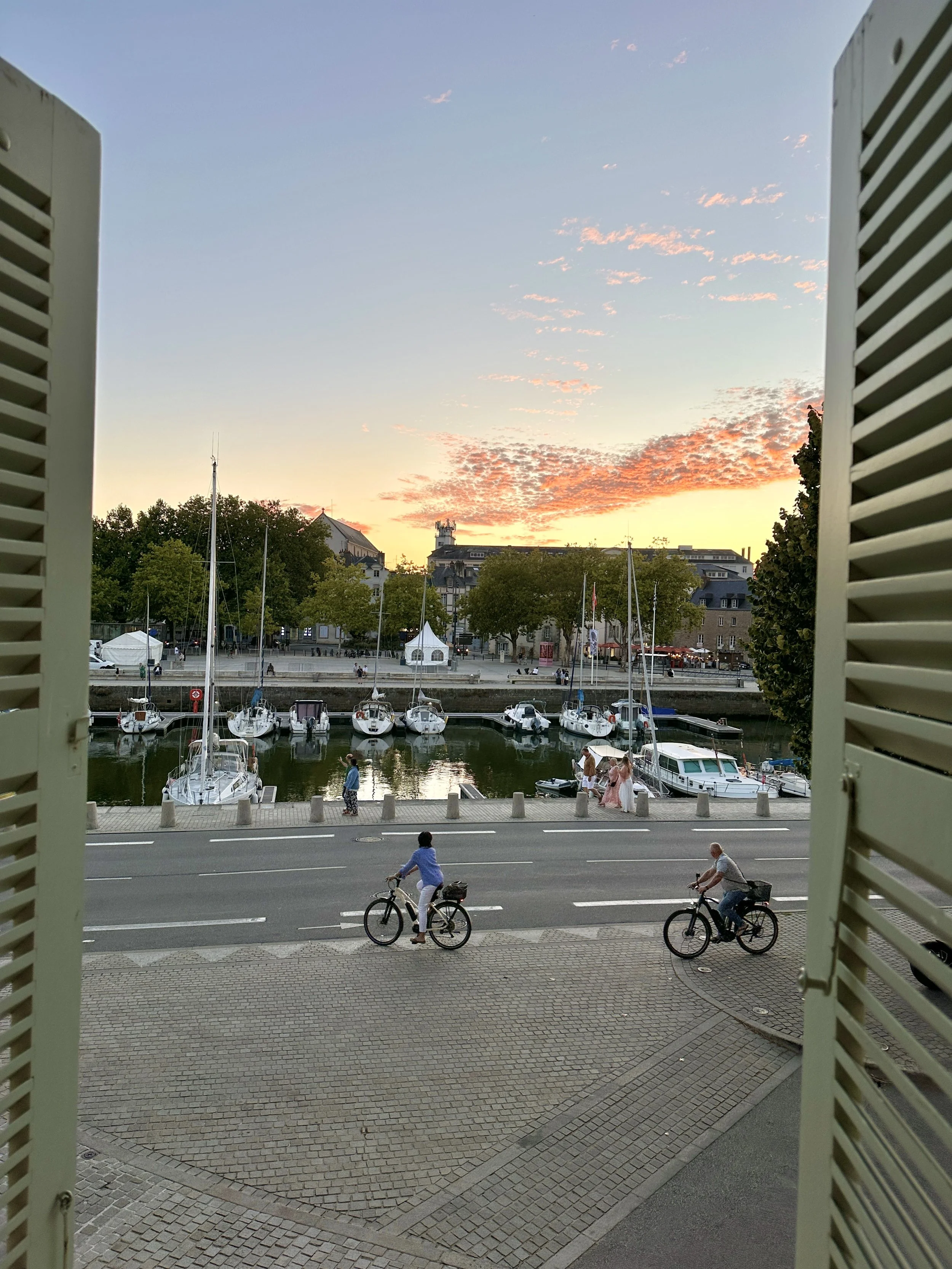
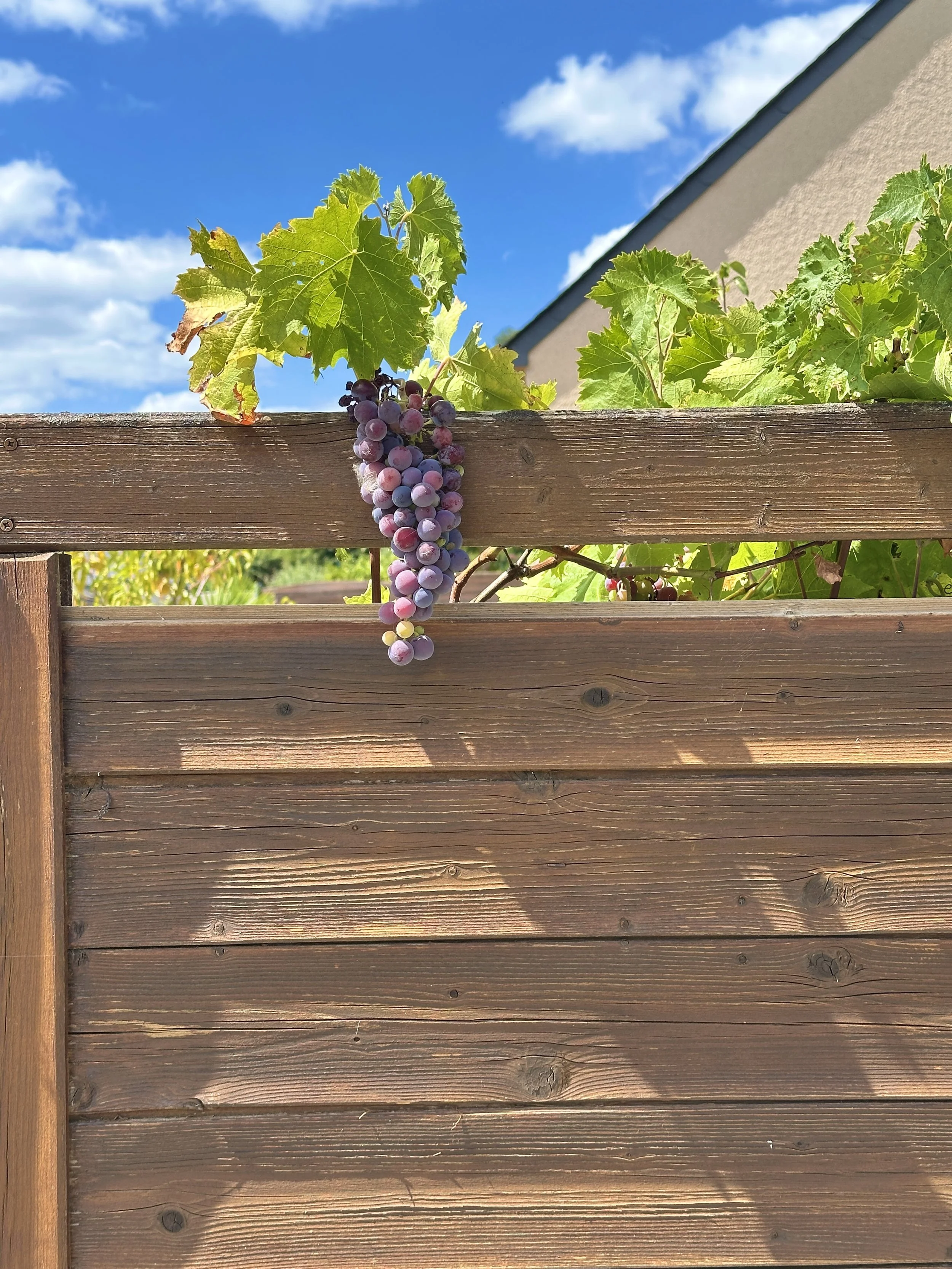
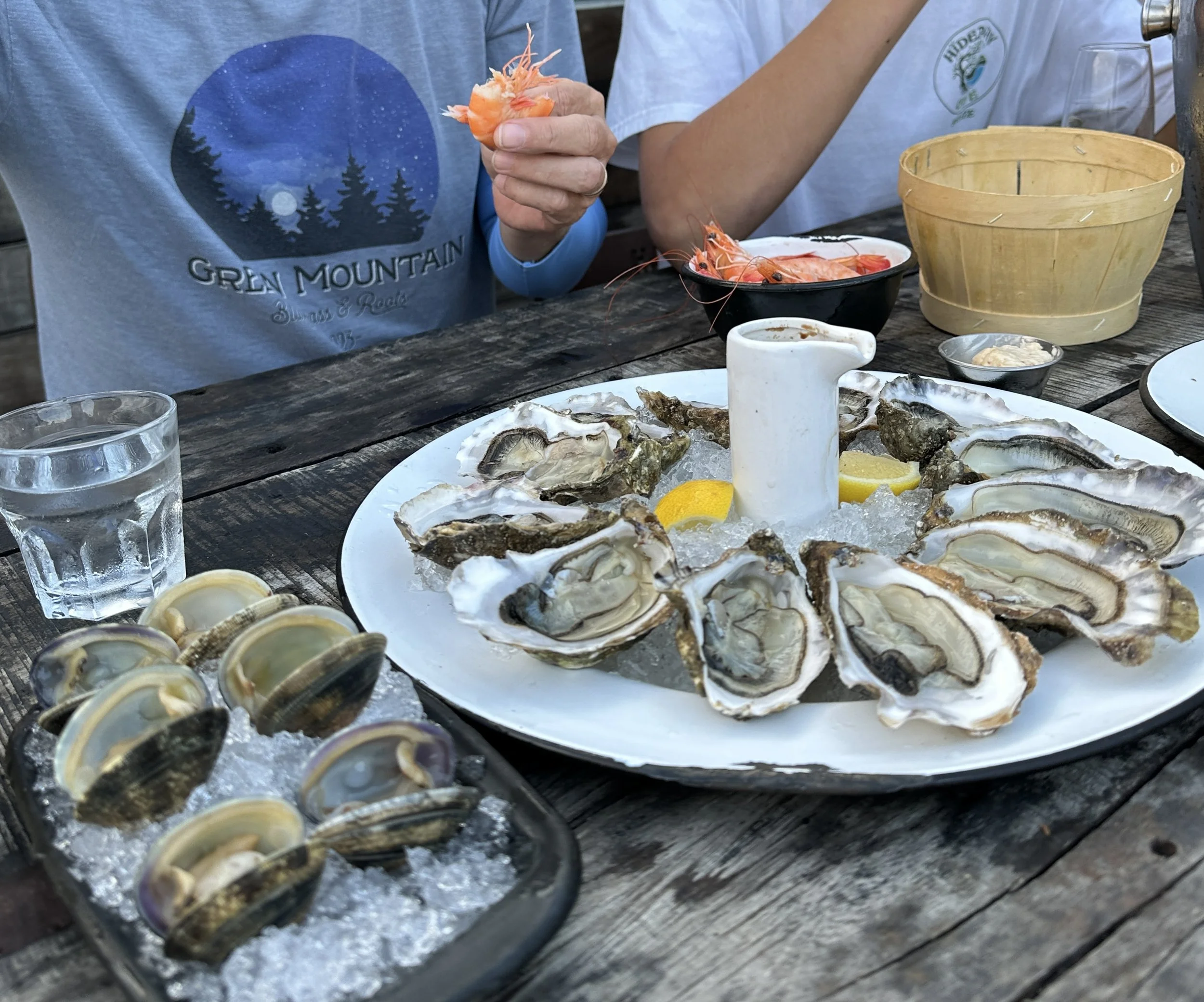
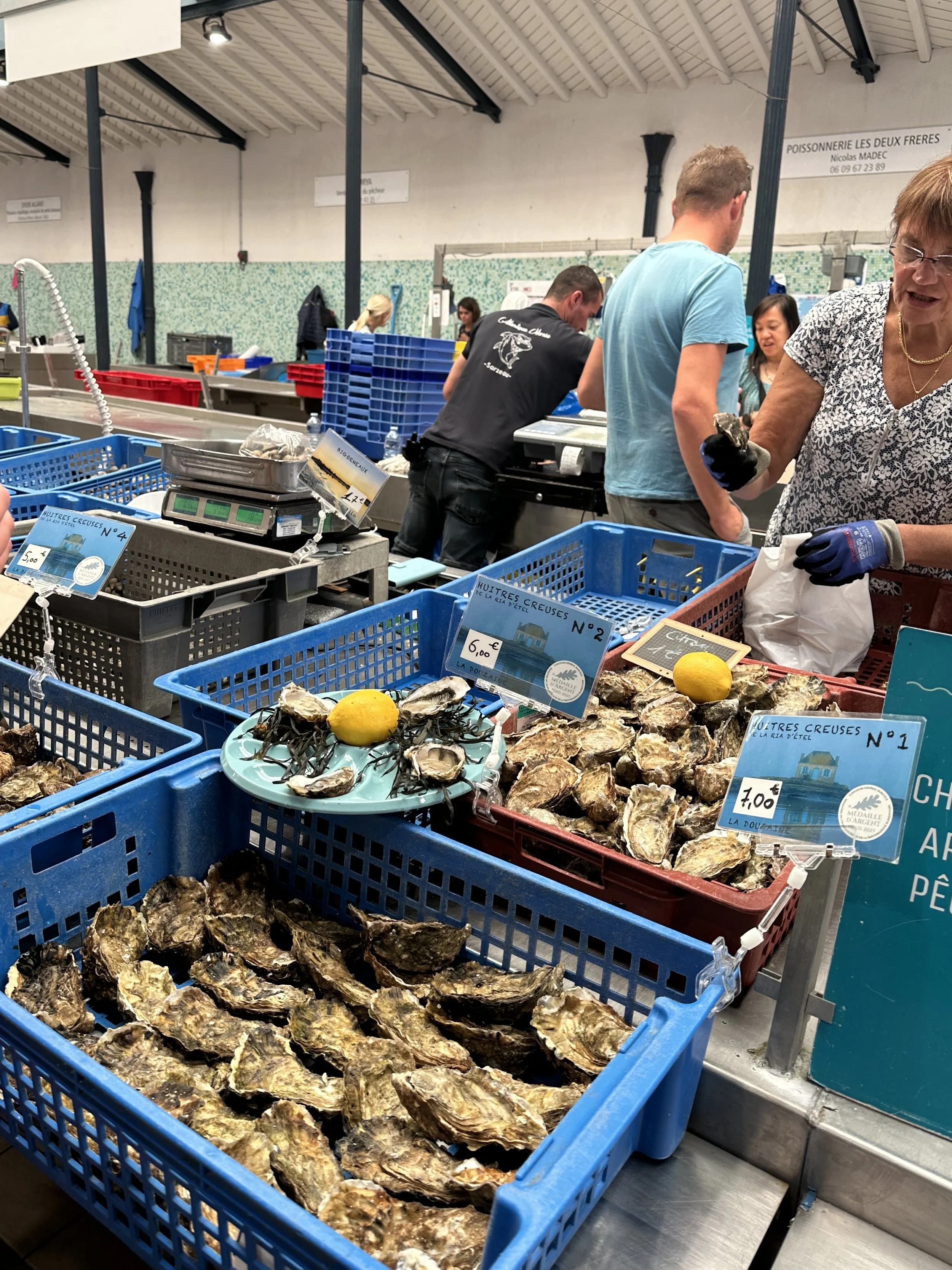
As we turn the final pages of summer, I’m still reflecting on some of its earlier chapters, such as a lovely week in Brittany that ended with a brief separation from my suitcase. The reunion was sweet, because along with dirty laundry and loose sand, there was my usual post-vacation haul—impulse and otherwise—from our time near the Gulf of Morbihan. As I unrolled t-shirts I kept unearthing things I’d forgotten I bought and enjoyed the small bursts of delight that ensued:
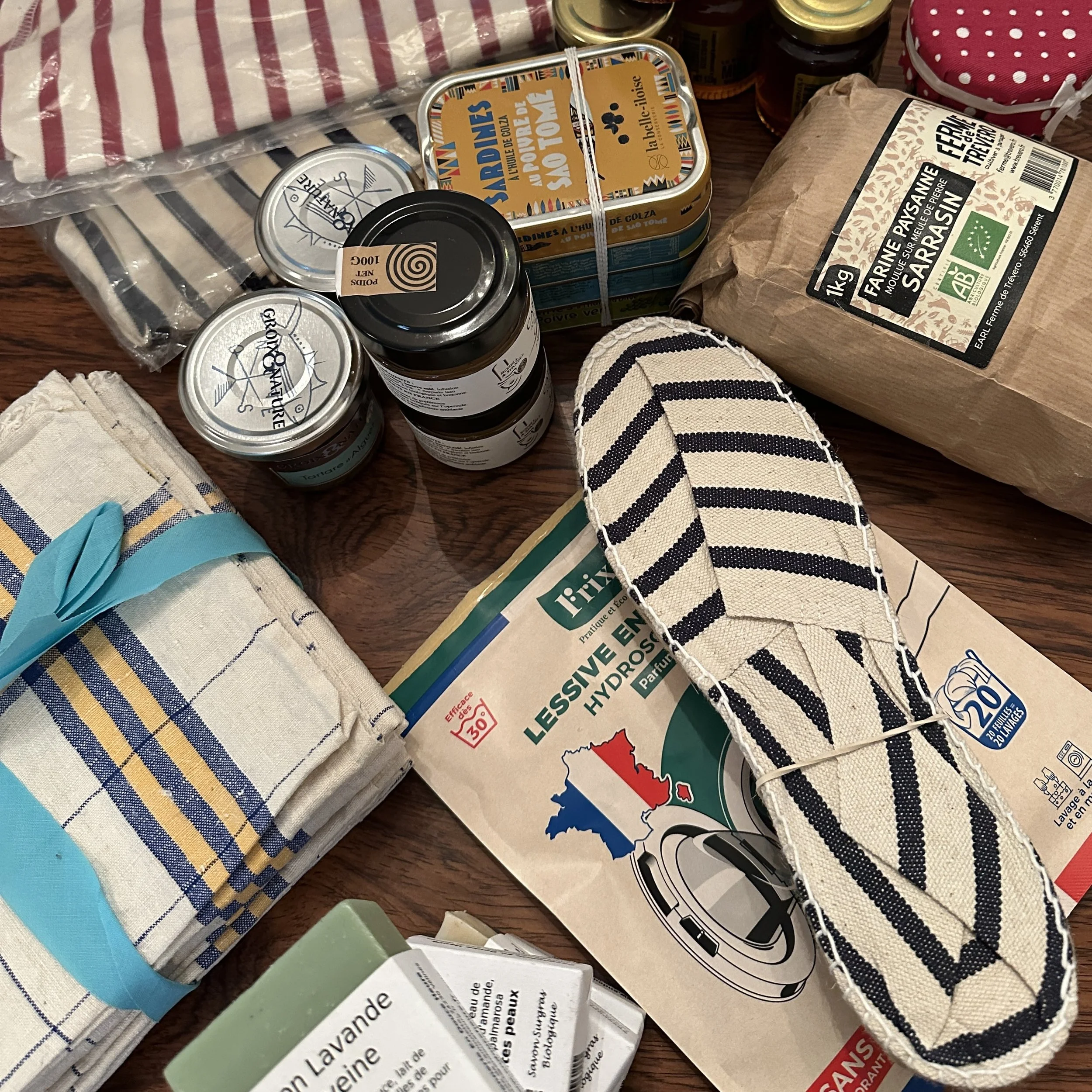
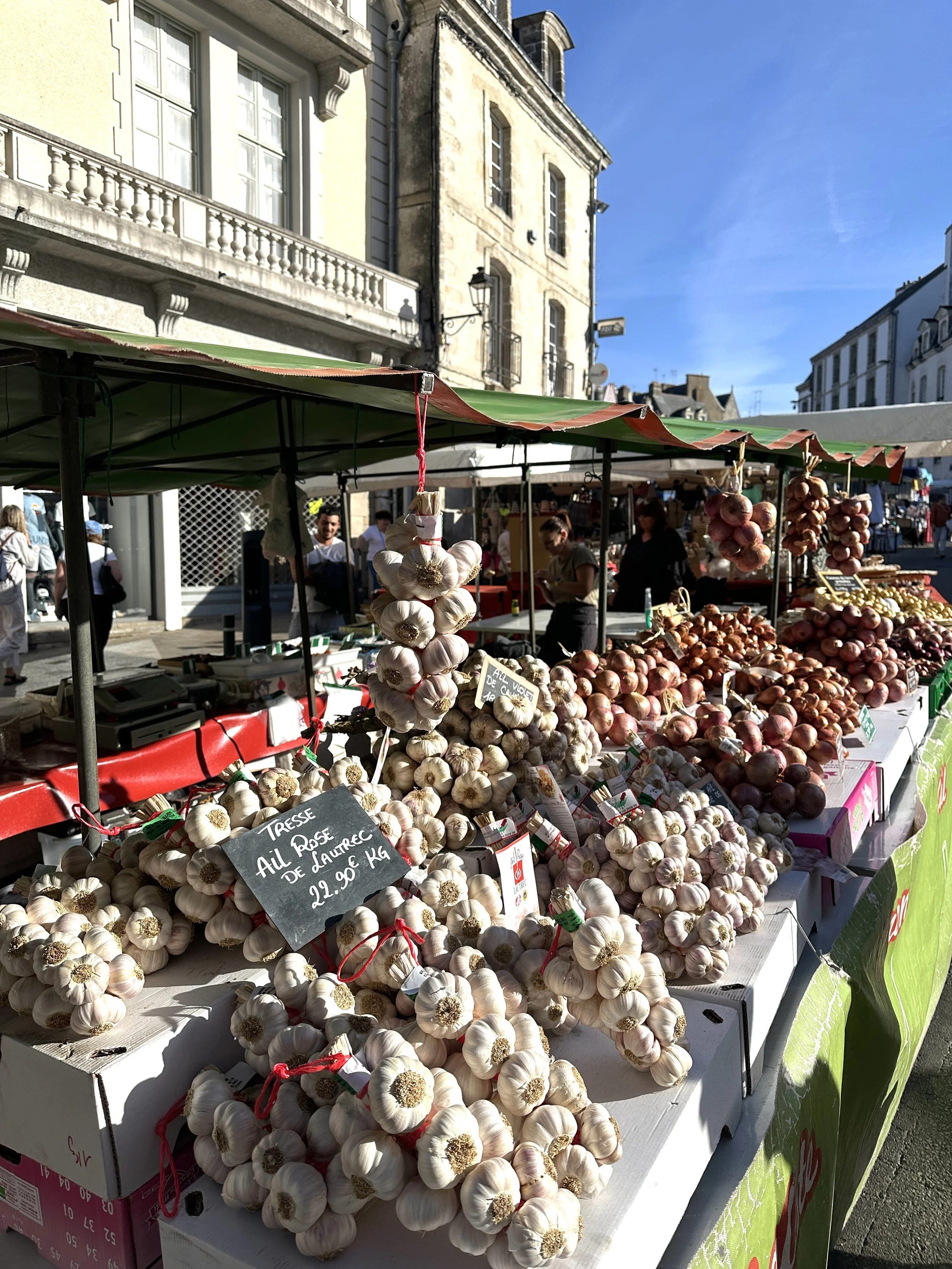
Buckwheat flour from the farmer’s market. Two jars of salted caramel infused with toasted buckwheat. Six jars of single varietal honey (chestnut tree, linden tree, wildflower, forest, general Brittany honey, etc.). Quiberon sardines in bright tins. Striped mariner shirts (the very soft off-brand ones you can find in the farmer’s market). Stripey espadrilles. Cassis & violet jam. Socks from Monoprix - so many! Vintage linens from a brocante.
As I unpacked, I reflected on this vacation hoarding impulse of mine, and what it might say about me. Am I just the reflection of a culture that has become ever more grabby as the world burns? I realize that’s probably part of the story, along with a basic need to remember and draw out the essence of a vacation for a little while longer. Some things I couldn’t pack in a suitcase, though: the brisk breezes and sweet-saltiness of the Breton coast and the nutty taste of buckwheat. The stickiness of a Kouign-Amann. The grit of sand in my shoes and the sting of a sunburn. The piles of tiny pink shrimp at the fishmonger with their heads still on.
As I was picking up material goodies from the markets this summer, I was also quietly noting things the other cultures did well and differently from ours in the U.S.—the intangible things you can’t pack in a suitcase or eat later. I want to hold on to these for a bit longer, after the vacation and summer have come to a close.
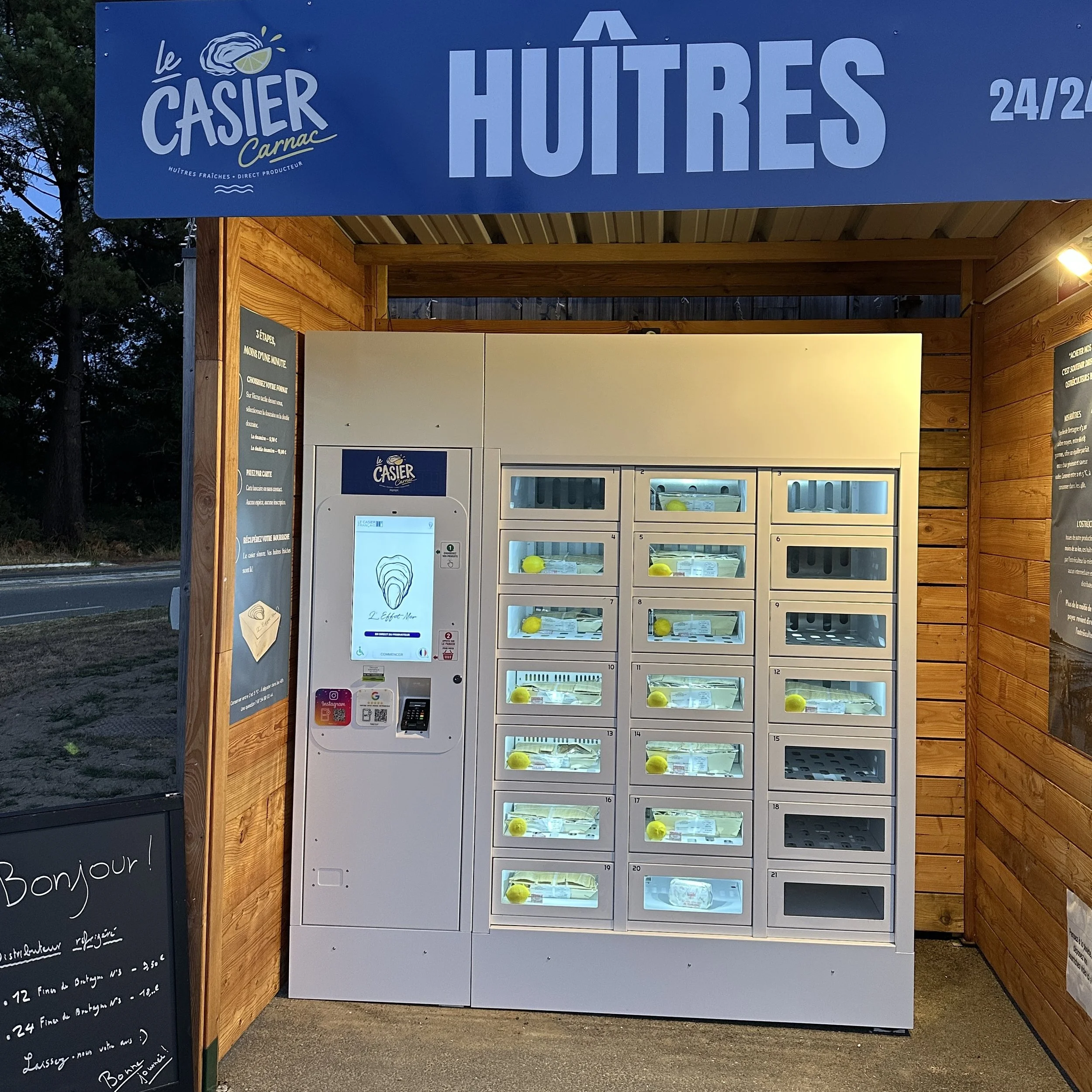
Oyster vending machines in Brittany
Bike culture in Amsterdam and the grace with which people move through the city as one with their bicycles.
Reverence for nature in Norway. We can all do better! Pick up our trash, learn the names of some wildflowers.
Hut culture in Norway—wow. The DNT network of hiking cabins are impeccably cared for by volunteers and are clean, stocked with wood, saunas, and odorless composting toilets you sprinkle wood chips into. The one we peeked into, in a remote area, had a separate kennel room for dogs. Upstream from the huts was a mossy spring that served as the water supply (the cabins contain buckets) and we filled our water bottles with this water and drank it untreated.
The GR34 1300 km-plus coastal hiking path along Brittany’s coastline. We picked up segments of this for afternoon hikes and meandered through rocky coves and oyster farms with their own, small tasting rooms.
Swedes’ unbridled joy in summer (and Scandinavia generally)
Garbage sorting in France. My family laughed at my excitement over visiting the compost bin by the port in Vannes where we stayed; inside of the biowaste bin was a little compartment with mulch and a scooper. A brief glimpse inside told me the citizens of Vannes were complying.
Learning new historical facts and in particular lore from the WWII Resistance, in Normandy’s museums and monuments. I had no idea the role the BBC played in carrying secret messages to the resistance in Europe.
Some of these I will try to knit into the fabric of my own life, here. Similarly, I will take all the souvenirs from my travels and give them out as gifts, enjoy them, make something beautiful that’s a blending of cultures. In this case, it’s my favorite cookies from a local bakery, Bien Cuit, made with flour I bought from a stand at the farmer’s market in Vannes and stowed in my son’s suitcase after I ran out of space in my own.
Salted Chocolate Buckwheat Cookies
Makes 1 dozen or more
2 cups (250 g) buckwheat flour
⅓ cup (32 g) unsweetened cocoa powder (Dutch process)
1 Tablespoon (12 g) baking powder
1 ½ cups (300 g) light brown sugar, lightly packed
2 sticks/1 cup (227 g) unsalted butter at room temperature
1 ¼ cups (200 g) bittersweet chocolate chips
1 teaspoon (5 g) strong espresso or coffee
Powdered sugar for finishing
Flaky sea salt (Maldon) for finishing
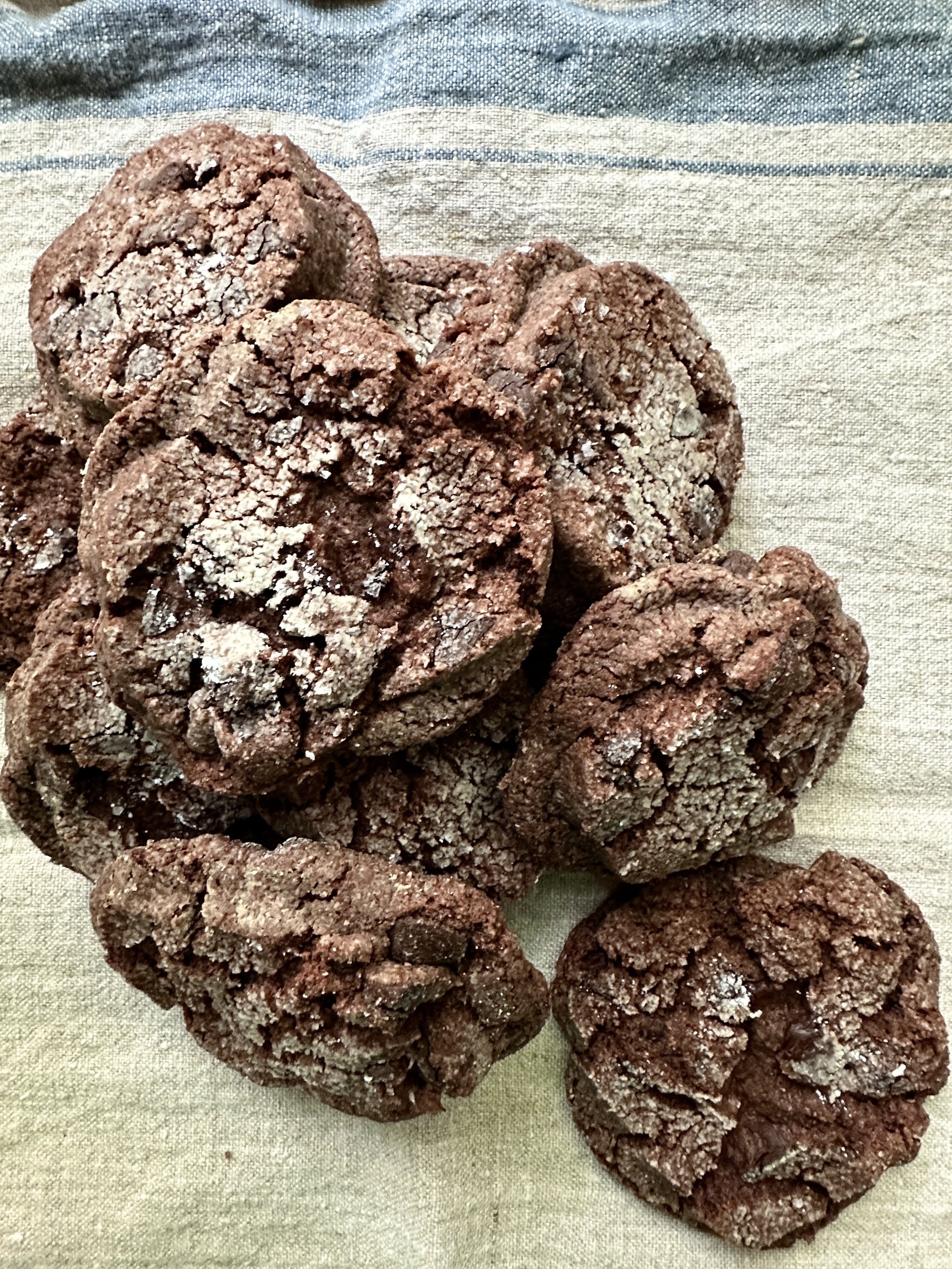
Note: This is a recipe from Bien Cuit, which also appears on Food 52’s website and Bon Appetit (paywall). These spread more, either due to differences in French flour not slicing the dough thickly enough, or some other unknown variable. That’s OK! They were still delicious and tender.